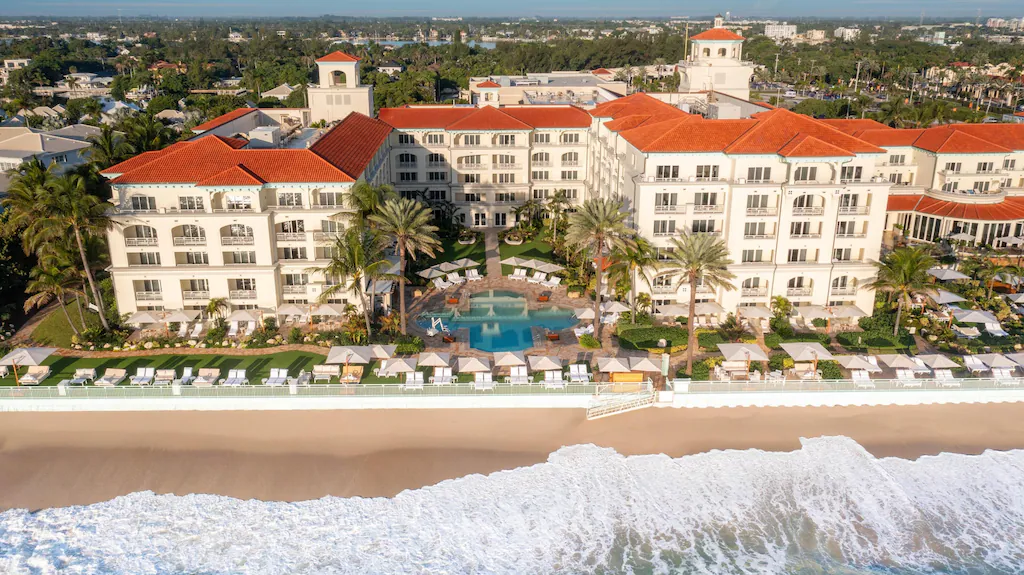
Best Beachfront Extended Stay in the US: A Strategic Guide for Professionals
The pursuit of a prolonged residency in a beachfront environment is often framed through the lens of leisure—a temporary departure from the rigors of professional life. However, for the modern mobile professional, the consultant on a multi-month engagement, or the remote executive, the beachfront residence must function as more than a vacation backdrop. It must serve as a high-performance node for deep work, cognitive restoration, and operational stability. When the environment is correctly curated, the synthesis of coastal rhythm and professional output can be profound. When mismanaged, however, the very elements that define the “beachfront” experience—salt air, humidity, isolation, and unpredictable climate—become significant operational liabilities.
Procuring a successful long-term coastal residency requires a fundamental departure from standard hospitality metrics. One cannot simply evaluate a property based on aesthetic appeal or nightly rates. Success in this sector demands a rigorous audit of infrastructure, logistical support, and environmental resilience. For those who view their residency as a strategic asset, the goal is not merely to “find a place on the beach,” but to engineer a base of operations that remains performant over a 30-to-90-day horizon.
This article provides a definitive framework for the evaluation, procurement, and governance of beachfront residencies. By moving beyond the superficial markers of vacation luxury and focusing on the underlying systems that support sustained professional life, this guide offers the tools necessary to navigate the complexities of the coastal market. The objective is to identify and manage the best beachfront extended stay in the us through an analytical lens, ensuring that the environment supports, rather than hinders, one’s objectives.
Understanding best beachfront extended stay in the us
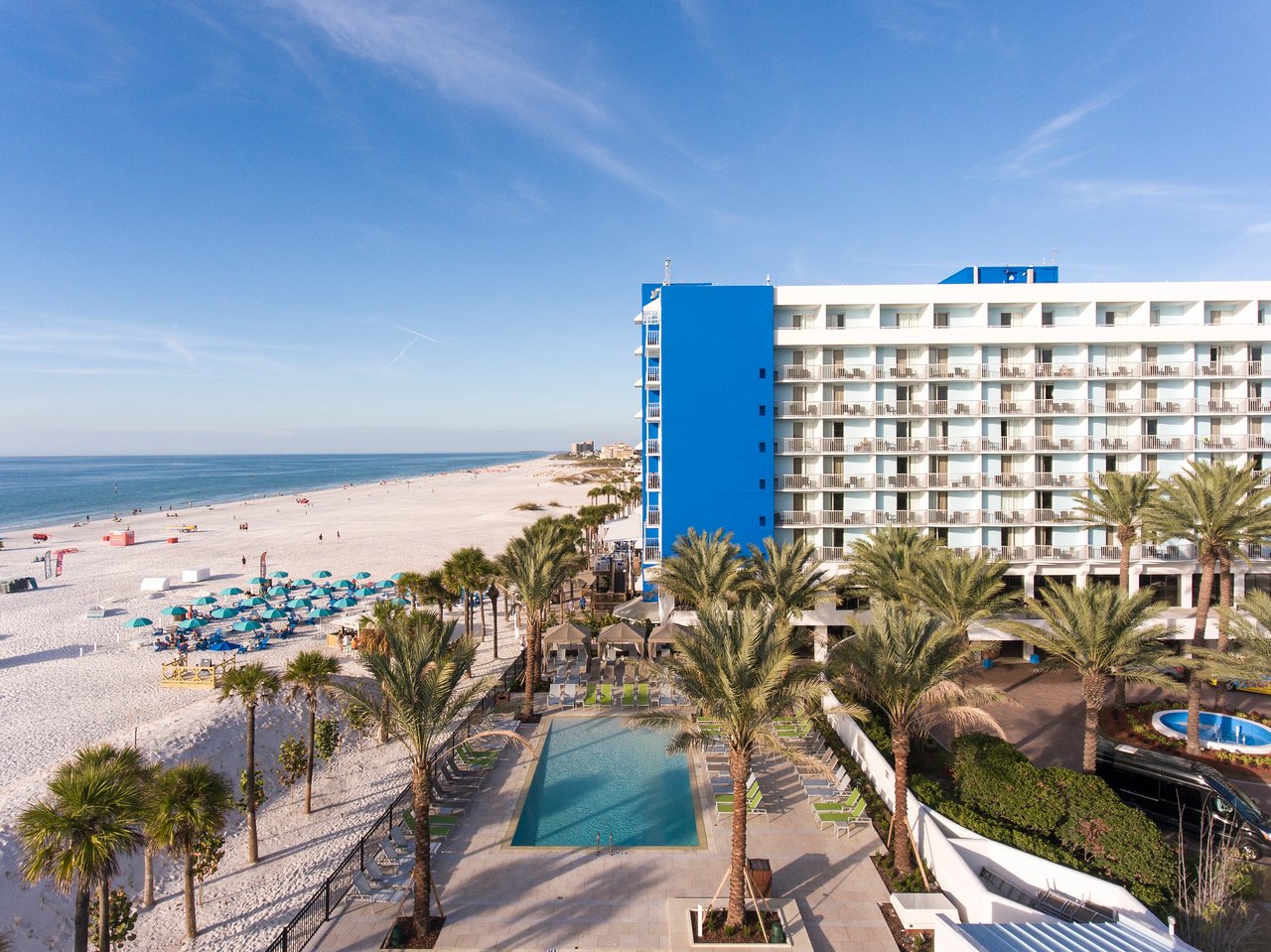
To identify the best beachfront extended stay in the us, one must first accept that the hospitality industry is structurally optimized for the transient, short-term guest. A property that excels at providing a seamless 72-hour luxury experience is often fundamentally ill-equipped to support a 60-day residential assignment. The common misunderstanding is that “premium” branding guarantees functional consistency. In a coastal context, functionality is dictated by environmental durability—how the property handles salt-air corrosion, humidity, and the rapid degradation of internal systems—rather than the quality of its concierge service.
The risks associated with oversimplification are particularly acute here. An individual seeking a long-term coastal stay may prioritize proximity to the shoreline, only to discover that the property’s electrical and networking infrastructure is struggling against the corrosive coastal environment. Oversimplification leads to the “vacation trap,” where the resident arrives with high expectations of productivity, only to spend their time navigating management friction and technical failures. The best beachfront extended stay in the us is, by definition, an environment where the management has proactively mitigated the unique physical stressors of the coast, ensuring that the property’s operational standards remain as stable on day 30 as they were on day one.
Furthermore, the search for the best beachfront extended stay in the us requires a shift toward an “infrastructure-first” mindset. Before considering the view or the amenities, the resident must audit the facility’s technological and physical health. Does the management have a robust maintenance cycle for climate-control filtration and metal-fixture protection? Is the networking hardware hardened against salt-air degradation? If these indicators are absent, the property should be treated as a leisure-only asset, unfit for the demands of sustained professional focus.
The Systemic Evolution of Coastal Residency Procurement
Historically, long-term coastal living was limited to the ownership of private real estate, a model requiring significant capital and administrative oversight. The emergence of the serviced extended-stay model has democratized access to these environments, but it has not resolved the fundamental challenge: the physical volatility of the coast. We have seen a professionalization of the market where managed residences are increasingly catering to “work-from-anywhere” professionals.
However, this evolution has outpaced the development of specialized maintenance and support standards. Most management firms continue to apply “urban” hospitality protocols to beachfront properties, failing to account for the accelerated depreciation of systems caused by the coastal environment. Consequently, the burden of ensuring residency quality has shifted to the resident. Procurement in this sector now requires a sophisticated understanding of building science, local climate risk, and contract management.
Conceptual Frameworks for Residency Governance
1. The Environmental Friction Model
Every coastal residence introduces “environmental friction”—the rate at which the location’s physical conditions (salt, moisture, UV, sand) degrade your ability to work. Governance is the process of keeping this friction below your critical performance threshold through proactive maintenance and hardware hardening.
2. The Zero-Trust Infrastructure Audit
Never trust a property’s claim of “high-speed connectivity” in a coastal area. Before committing to a long-term stay, conduct a pre-booking network diagnostic. Assume the property’s base infrastructure is fragile; your residency plan must include independent, portable solutions to bypass local system failures.
3. The Lifecycle Resilience Matrix
Categorize your coastal residency by phase: Integration, Execution, and Transition. The requirements for infrastructure and support differ significantly in each. A residency that is excellent for an initial “Integration” phase may lack the technical rigor required for the “Execution” of a high-stakes project.
Taxonomy of Beachfront Residency Models
| Model | Primary Orientation | Best For | Operational Risk |
| Institutional Managed | Predictable/Standardized | High-stakes assignments | Rigid infrastructure |
| Coastal Boutique | Character/Atmosphere | Creative/Reflective work | High maintenance lag |
| Tech-Enabled Hub | Scalable/Autonomous | Mobile professional | Variable management |
| Hybrid Resort-Suite | High-Support/Central | Unpredictable timelines | Noise/transience |
Decision logic should be driven by the specific nature of your project. If your work requires consistent, high-bandwidth security, the Institutional Managed model generally outperforms more atmospheric options.
Real-World Scenarios and Decision Logic
The Remote Engineering Lead
An engineer requires an 8-week residency for a sensitive software integration. They select an institutional-grade residency that guarantees a hard-wired, dedicated fiber connection. The decision point was the contract’s explicit inclusion of “infrastructure redundancy,” which protected the project from the instability of typical, multi-tenant coastal Wi-Fi. The failure mode avoided was the potential for 48-hour network outages common in poorly managed coastal buildings.
The Consultant’s Coastal Sprint
A consultant utilizes a tech-enabled membership to rotate between three coastal sites over a quarter. They prioritize properties that offer a “standardized hardware kit” in every unit, allowing them to maintain a consistent workspace. By paying a premium for this consistency, they avoid the “setup tax”—the loss of time spent reconfiguring their gear at each new location.
The Maintenance Trap
A resident signs a 3-month lease at a high-end, aesthetic-focused villa. After two weeks, the humidity control fails, leading to moisture damage in their sensitive electronic equipment. The lesson: a property’s “star rating” is a measure of luxury, not environmental performance. Without a rigorous, resident-led maintenance audit, high-end coastal properties are often the most fragile.
Dynamics of Cost, Time, and Resource Management
| Variable | Management Strategy | Variability Factor |
| Rent/Membership | Volume-based negotiation | High (Seasonal) |
| Maintenance Overhead | Centralized logging/Escalation | Medium (Property-specific) |
| Digital/Physical Setup | Portable, hardened hardware kit | Low (Resident-controlled) |
| Opportunity Cost | Exit-clause optimization | High (Timeline variability) |
Managing these variables requires moving away from the “all-inclusive” myth. Treat all services—cleaning, maintenance, ISP—as items to be monitored. If the provider fails to uphold their performance baseline, the resident must have the contractual leverage to initiate a partial refund or early departure.
Tools, Strategies, and Support Systems
-
Hardened Networking Kit: A self-contained, carrier-agnostic digital setup (e.g., dedicated 5G bridge, high-end VPN router) that bypasses local coastal ISP limitations.
-
Environmental Diagnostic Suite: Portable monitors for humidity, air quality, and electrical stability, allowing the resident to assess the health of the unit within hours of arrival.
-
Formal Documentation Ledger: A secure, timestamped repository of all maintenance requests and performance logs—your primary defense in any contractual dispute.
-
Third-Party Concierge: A private consultant or local representative tasked with managing the interface between the resident and the property’s management team.
-
Pre-negotiated Exit Clause: An explicit contract rider allowing for early departure if environmental or technical performance drops below defined thresholds.
Risk Landscape and Failure Modes
The primary risk in identifying the best beachfront extended stay in the us is “facility degradation.” The coastal environment is inherently hostile to building materials and mechanical systems. If the property management does not have a rigorous, ongoing preventative maintenance schedule, the building will slowly decay. This process is often invisible to the short-term guest, but for the long-term resident, it manifests as failing HVAC units, intermittent power, and slow-onset maintenance issues that can derail an entire project. Mitigation requires identifying properties that have dedicated on-site technical teams rather than outsourced cleaning crews.
Governance, Maintenance, and Long-Term Adaptation
-
The Governance Cycle: Conduct a bi-weekly “Systems Pulse Check.” Record the status of all critical infrastructure, regardless of whether you have experienced an immediate issue.
-
Layered Checklist: Maintain a checklist that covers physical access control, network latency, humidity levels, and electrical power stability.
-
Adjustment Triggers: Define the precise point at which a failure justifies an escalation. Do not wait for the property manager to address issues—proactively initiate the formal escalation process.
Measurement, Tracking, and Evaluation
-
Leading Indicators: The responsiveness of the management team to non-standard, technical inquiries prior to booking; the quality of their responses regarding preventative maintenance.
-
Lagging Indicators: Total effective cost (including the cost of unplanned hardware upgrades) and the volume of hours lost to “environmental troubleshooting.”
-
Documentation Example: The “Coastal Residency Dossier”—a living document that archives every interaction, technical specification, and performance metric from your stay, providing proof for future contract negotiations or insurance claims.
Common Misconceptions and Strategic Corrections
-
Myth: “Beachfront locations are intrinsically better for productivity.” Correction: They are only better if the infrastructure is high-performance. Otherwise, they are a distraction.
-
Myth: “Luxury properties maintain themselves.” Correction: High-end finishes are more vulnerable to salt-air corrosion and often require more, not less, maintenance.
-
Myth: “You can rely on the provided Wi-Fi.” Correction: Coastal infrastructure is notoriously unstable. Always plan for independent, secondary connectivity.
-
Myth: “I can always move if there is a problem.” Correction: Moving is a high-cost event. The goal is to get it right the first time through rigorous auditing.
Final Synthesis
Finding the best beachfront extended stay in the us is not a search for the most beautiful view; it is a discipline in infrastructure procurement and systems governance. By applying the same rigor to your residency that you apply to your professional work, you turn the coastal environment from a potential source of disruption into a powerful catalyst for output. The successful resident understands that the beach is not a destination, but a variable in their professional ecosystem. By maintaining control through auditing, documentation, and proactive management, you create a foundation that is as resilient as the work you intend to produce, ensuring that the coastal experience enhances, rather than undermines, your long-term objectives.