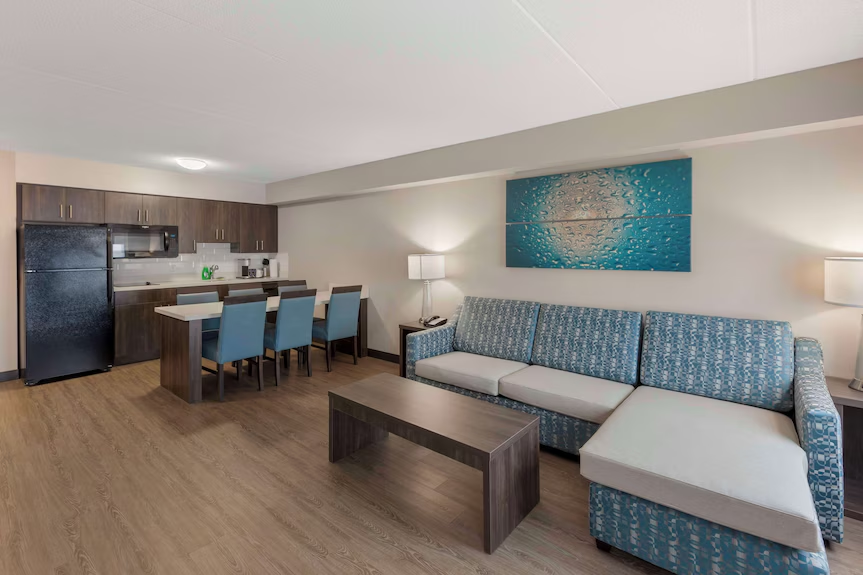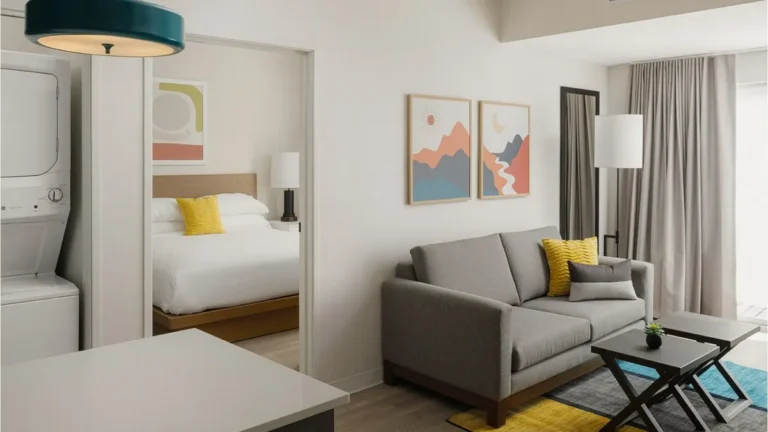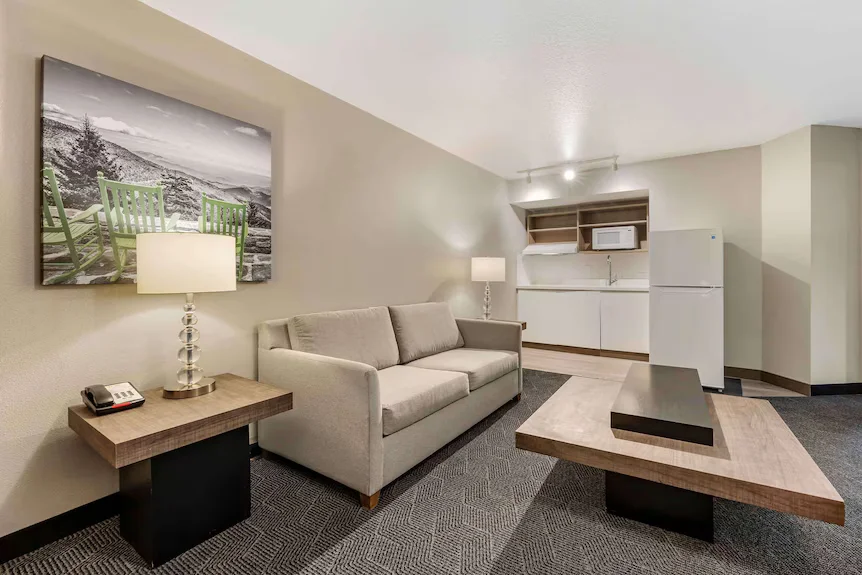
Compare Extended Stay Amenities: A Definitive Strategic Guide
The modern professional landscape increasingly demands high-velocity mobility. As project cycles shorten and globalized talent pools become the norm, the requirement for stable, high-utility mid-term residency has transitioned from a fringe necessity to a cornerstone of organizational and personal strategy. A successful transition into a new market is rarely the result of a singular booking; rather, it emerges from a methodical process of infrastructure management. Without a defined approach, the friction inherent in temporary living—ranging from connectivity challenges to administrative instability—can rapidly erode professional output and personal well-being.
Establishing a viable residency requires more than securing a physical space; it necessitates the alignment of housing with the occupant’s operational requirements. This is where the ability to compare extended stay amenities becomes a vital professional skill. These frameworks serve as the bridge between the chaotic reality of transient housing and the need for a predictable, high-performance base of operations. By treating the residency as a project-managed asset, organizations and individuals can bypass the superficiality of typical consumer travel options, focusing instead on the systemic reliability required for sustained tenure in a new location.
This analysis provides a comprehensive exploration of the logistical architectures that underpin effective mid-term residency. It avoids the common trap of equating housing with hospitality, shifting the focus toward the functional systems that govern occupant stability. Whether one is managing a large-scale corporate relocation or navigating an independent professional transition, the principles remain constant. Effective coordination relies on the proactive anticipation of environmental risk, the rigorous application of due diligence, and the establishment of governance structures that protect the integrity of the residency from the moment of arrival until the final departure.
Understanding Compare Extended Stay Amenities
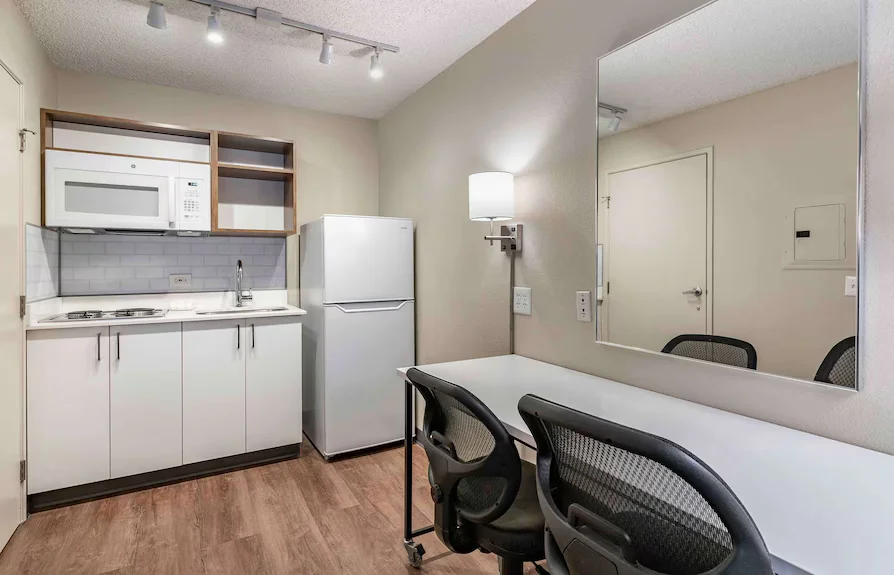
To compare extended stay amenities effectively, one must discard the notion that these features are merely “nice-to-haves.” In truth, they are the primary determinants of operational stability. Many market participants fail because they treat housing as a passive purchase—an item to be bought rather than a system to be managed. This error leads to a reliance on consumer-grade platforms that lack the infrastructure to support professional work. When an unexpected issue arises, the lack of a pre-coordinated, robust framework means the occupant is left to navigate the crisis alone, often at the expense of their primary professional objectives.
Oversimplification remains the most significant threat to a successful residency audit. Many assume that a high-end price point guarantees institutional-level reliability. This is a fallacy. Branding is often a marketing tool, not an operational guarantee. True reliability stems from internal management protocols, transparent communication lines, and a commitment to maintaining building-wide infrastructure. A framework that does not prioritize these systemic elements is inherently flawed. Effective evaluation requires deep due diligence into the provider’s operational record. It demands that the occupant—or the coordinator—moves beyond surface-level reviews to audit the firm’s capacity for rapid problem resolution and infrastructure maintenance.
Furthermore, these comparisons must be context-aware. A residency model that works seamlessly in one city may fail completely in another due to regional differences in zoning, utility management, or labor laws. An effective strategy recognizes these disparities and adapts accordingly. It incorporates local regulatory research into the planning phase, ensuring that the chosen residency is not only functional but also legally secure. By viewing the residency as a modular system that one can tailor to the specific constraints of the destination, you transform a potentially disruptive relocation into a stable, supportive environment for sustained performance.
The Systemic Evolution of Managed Residential Assets
The historical approach to temporary housing was largely bifurcated: individuals either stayed in hotels, which offered services but lacked domestic utility, or they signed standard residential leases, which offered stability but demanded long-term commitment and significant administrative effort. This outdated binary created a massive gap in the market. Today, that gap is filled by institutionalized managed housing—a sector that integrates the service-heavy nature of hospitality with the structural, legal, and operational rigor of professional residential management.
This systemic evolution is the result of increasing demand for high-utility, flexible living arrangements. Institutional investors now prioritize properties that function as “mid-term assets.” These facilities are engineered for performance. They incorporate dedicated work zones, high-bandwidth connectivity, and standardized maintenance workflows that are largely invisible to the occupant. This shift toward purpose-built residential assets has made the process to compare extended stay amenities far more feasible, as the underlying property infrastructure is finally aligned with the needs of the mobile professional.
Conceptual Frameworks for Residency Evaluation
1. The Operational Hierarchy
When developing your residency strategy, classify your needs by their impact on performance. At the foundation, prioritize connectivity, ergonomic comfort, and quietude. Above this, evaluate the management firm’s capacity for rapid, evidence-based maintenance response. Aesthetic amenities, while pleasant, should only be considered once the operational foundation is solidified.
2. The Institutional Oversight Matrix
Categorize providers based on their management structure. Are they a brand name licensing their identity to local third parties, or are they a vertically integrated firm controlling the building, staff, and systems? Vertically integrated firms provide the highest reliability for those who compare extended stay amenities because they maintain direct control over the infrastructure that governs your daily life.
3. The Exit Agility Model
Relocation is often subject to shifting timelines. A robust evaluation framework builds in “exit velocity”—the ability to terminate a residency, extend it, or pivot to a different unit with minimal friction. Financial penalties are often the cost of poor planning; building flexibility into the initial contract is the primary defense against this volatility.
Comparative Taxonomy of Accommodation Models
| Model | Legal Basis | Reliability Score | Management Effort |
| Institutional Suite | Master Service Agreement | Very High | Very Low |
| Managed Residential | Professional Lease | High | Moderate |
| Boutique Mid-Term | License | Moderate | Moderate |
| Peer-to-Peer Rental | Platform Agreement | Variable | High |
Decision logic dictates that the higher the management effort required from the occupant, the lower the actual utility of the residency. For professionals, the Institutional Suite and the Managed Residential models represent the most efficient use of time and capital.
Real-World Scenarios and Decision Logic
The Strategic Project Deployment
An executive leads a stabilization project in a secondary market for four months. The failure mode is relying on a consumer booking engine to manage the move. The correct strategy involves identifying an institutional provider that offers a service-level agreement. This allows the executive to focus on the project while the provider manages the logistics of the residency.
The Interstate Domestic Transition
A family undergoes an interstate move and requires a temporary home while searching for a permanent residence. They should prioritize properties with residential-class building codes, which provide essential sound isolation and robust domestic utilities. The evaluation here focuses on zoning compliance and school district research to ensure long-term stability during a period of flux.
The Consultant’s Urban Base
A consultant works in a dense city environment and requires maximum privacy and high-speed connectivity. They choose an executive suite within a mixed-use building that physically separates the residential units from retail or public areas. This separation is key to maintaining a quiet, professional environment that is immune to building-wide traffic.
Dynamics of Cost and Resource Management
Financial stewardship in mid-term housing requires a focus on the “total cost of occupancy,” rather than just the nightly rent.
| Cost Variable | Primary Driver | Mitigation Strategy |
| Rent / Base Lease | Market Seasonality | Negotiate long-term, fixed-term contracts |
| Indirect Utility Costs | Infrastructure Efficiency | Require all-inclusive service packages |
| Relocation Friction | Lack of Pre-Vetting | Use turn-key, institutional residences |
| Penalty / Damage Costs | Documentation Gaps | Conduct a formal, video-documented walkthrough |
Effective strategists who compare extended stay amenities account for these variables upfront. By budgeting for the total cost, you ensure that unexpected fees or service requirements do not derail your professional performance.
Tools, Strategies, and Support Systems
-
Professional Housing Liaison: Utilize a dedicated relocation specialist to manage the legal and administrative complexities of your residency contracts.
-
Private Network Infrastructure: Deploy a portable, 5G-enabled router as a primary, carrier-agnostic connectivity failover for the residency.
-
Digital Document Vault: Maintain a secure, encrypted cloud repository for all lease agreements, proof of residency, and emergency contact details.
-
Local “Ground Truth” Vetting: Engage local professional networks rather than general consumer review sites to identify properties with genuinely responsive management teams.
-
Standardized Audit Logs: Keep a simple, dated log of all maintenance requests and responses to establish an evidence trail for future contract disputes.
Risk Landscape and Failure Modes
Risk in mid-term residency is typically cumulative rather than episodic. A minor issue—an inconsistent network or a slow maintenance response—can gradually erode your focus and professional output. If left unmanaged, these minor issues compound into a major disruption, forcing a mid-tenure relocation. The risk management strategy here is “predictive exit.” You must establish clear performance metrics for your residency, and if the provider consistently falls short, you activate your exit plan before the friction becomes unmanageable.
Governance, Maintenance, and Long-Term Adaptation
Treat your residency with the same governance you would apply to a core business project.
-
Monthly Performance Review: Every 30 days, objectively assess your residency against your baseline needs—connectivity, cleanliness, and infrastructure health.
-
Escalation Hierarchy: Know exactly who holds responsibility for plumbing, security, and network outages. Have the direct contact information for the building superintendent.
-
Professionalism as Strategy: Maintain a formal, documented communication style with management. Professional, evidence-based interactions ensure that your requirements receive priority and urgency.
Measurement, Tracking, and Evaluation
-
Leading Indicators: The time it takes for management to acknowledge an email, the consistency of building security personnel, and the stability of neighbor noise levels.
-
Lagging Indicators: Total effective cost (including unplanned expenses), and the total number of hours lost to maintenance issues or environment-related disruptions.
-
Documentation Example: The “Residency Stability Log” is a simple template used to track management responsiveness and unit functionality, providing the objective data needed to request rent credits or contract adjustments.
Common Misconceptions and Strategic Corrections
-
Myth: “Everything is negotiable in the mid-term market.” Correction: Legal terms and safety protocols should never be treated as bargaining chips.
-
Myth: “High nightly rates indicate superior reliability.” Correction: High prices often correlate with location premiums or branding, not with superior management systems. Audit the firm, not the brand.
-
Myth: “Online reviews are a reliable substitute for due diligence.” Correction: Online reviews reflect transient experiences and rarely account for the operational realities of a long-term stay.
-
Myth: “Management will improve if I stay longer.” Correction: Management styles are culturally ingrained. If the firm is unresponsive during the sales process, they will be unresponsive during the stay.
Final Synthesis
The ability to compare extended stay amenities and evaluate them through a professional lens is an exercise in rigorous due diligence and proactive infrastructure management. By shifting your perspective from that of a hotel guest to that of a professional partner, you gain the ability to curate a residency that is both stable and highly productive. The market for mid-term housing will continue to evolve, but the principles of success—operational auditing, clear communication, and the protection of your own productivity—will remain constant. Those who master these principles will find that their temporary residency is not merely a place to sleep, but a highly effective foundation for achieving their broader objectives in an increasingly mobile world.