How to Plan Extended Stay Group Travel on a Budget: A Pro Guide
Extended-stay group travel represents a distinct logistical tier, sitting uncomfortably between traditional corporate relocation and standard leisure tourism. When a collective of individuals—be it a project team, a research group, or a specialized workshop cohort—must maintain operational presence in a remote location for thirty days or more, the traditional hospitality model frequently collapses. The sheer volume of cumulative costs, from housing to daily sustenance and transit, necessitates a departure from standard booking practices.
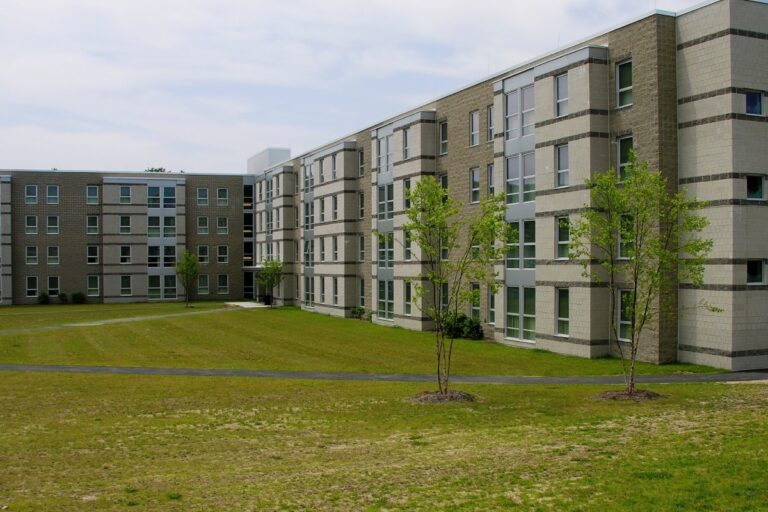
Effective planning for such endeavors requires a move toward infrastructure-based thinking. Rather than viewing the stay as a series of hotel nights, successful organizers treat the project as a temporary satellite office. This shift in perspective opens up alternative procurement channels, such as serviced apartment blocks, corporate residential master-leases, and university housing consortia. Each of these options offers different cost structures and operational requirements.
The complexity lies not in securing the space, but in managing the entropy that inevitably occurs during a month-long residency. Individual preferences, varying work schedules, and the wear-and-tear of communal infrastructure can quickly erode a budget if governance protocols are not established at the outset. This analysis provides a rigorous, data-driven methodology for organizing long-term group logistics, ensuring that fiscal integrity is maintained without compromising the functional needs of the collective.
Understanding how to plan extended stay group travel on a budget

The core challenge when evaluating how to plan extended stay group travel on a budget is the management of the “hidden variable” problem. In a typical group trip, costs are fixed: flights, hotel rooms, and per-diems. In an extended-stay group environment, costs are highly elastic. Infrastructure utilization—electricity, water, laundry, and the inevitable damage to furnishings—shifts from the property manager’s overhead to the group’s direct fiscal responsibility. Therefore, the budget must account for these variable outflows.
A frequent error is assuming that renting a large house or multiple units is inherently cheaper than corporate suites. Often, the management of these dispersed units creates a secondary logistical burden that exceeds the cost of a centralized, managed property. True mastery regarding how to plan extended stay group travel on a budget requires a calculation of total “effective cost,” where you include the time-value of the organizers managing the group’s daily infrastructure.
Furthermore, oversimplification is a constant risk. Many planners attempt to solve the budget issue by demanding austerity from the group members. This rarely succeeds; it only shifts the cost to the organization in the form of lower productivity and burnout. Success is instead defined by the strategic selection of location and property type, ensuring that the group’s environment facilitates efficiency. If the property lacks adequate workspace or stable connectivity, the “savings” on rent are quickly erased by the loss in professional output.
The Systemic Evolution of Collective Residency
The landscape for group housing has evolved rapidly with the rise of the remote-work economy. Traditionally, companies relied on corporate travel agencies to secure blocks of hotel rooms. Today, the decentralization of teams has forced organizations to build custom residency solutions. These range from “pop-up” residential hubs in mid-tier cities to long-term master-leases in urban residential developments.
This evolution requires a shift in procurement. Where travel departments once focused on “best rate available” (BAR), they now focus on “infrastructure suitability.” The modern extended-stay group needs high-density network capacity, sound-isolated workspaces, and modular kitchen facilities. The evolution of the market toward these requirements means that the most cost-effective solution is often the one that integrates these services into the lease itself, rather than sourcing them separately.
Conceptual Frameworks for Resource Governance
1. The Per-Unit Efficiency Ratio (PUER)
Measure the total cost of the residency (rent, utilities, and service fees) divided by the number of participants, normalized by the square footage of functional work/rest area. This helps differentiate between properties that appear cheap but offer low usable space per resident.
2. The Logistical Friction Coefficient
Assign a score to each housing option based on the distance to required services (grocery stores, transit hubs, and work sites). Higher friction leads to higher daily “indirect costs” in the form of transport fees and lost time.
3. The Shared Infrastructure Protocol
Design the residency around “shared-load” principles. Consolidate non-essential utilities (e.g., printers, high-capacity internet, cleaning supplies) into a centralized pool to reduce individual unit costs.
Taxonomy of Group Housing Models
| Model | Primary Cost Driver | Flexibility | Governance Complexity |
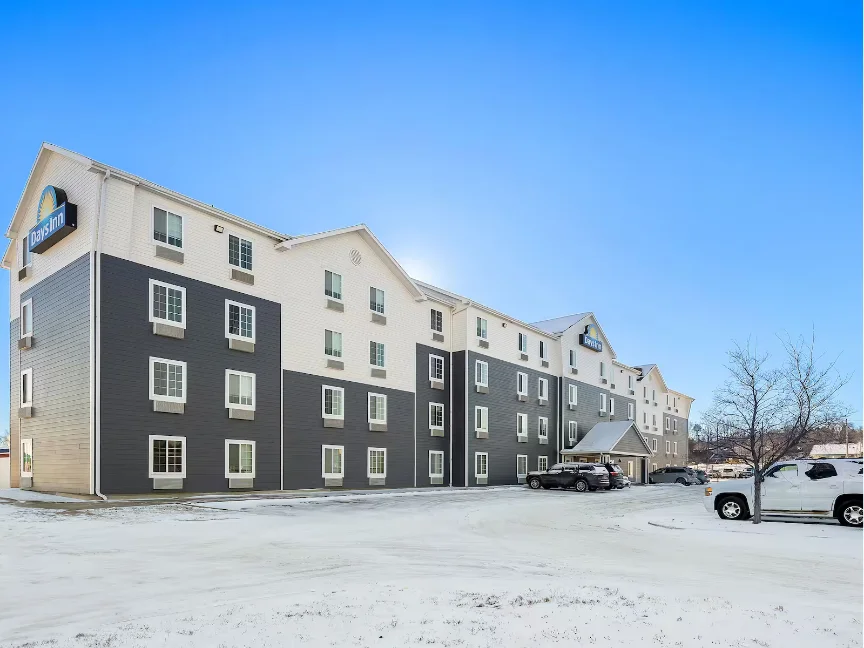
| Corporate Suite Blocks | Fixed Contract | Low | Low |
| Managed Serviced Apartments | Negotiated Volume | Moderate | Medium |
| Residential Master-Lease | Lease Duration | High | High |
| University Housing Consortia | Seasonal Timing | Low | Medium |
Decisions should be guided by the “Duration-to-Volume” threshold. For groups larger than ten staying over 60 days, a Residential Master-Lease is almost always more cost-effective than serviced apartments, provided the administrative capacity exists to manage the underlying logistics.
Real-World Scenarios and Decision Logic
The Research Collective’s Urban Sprint
A group of twelve researchers needs a 45-day stay in a high-cost capital city. They utilize a master-lease for two adjacent floors in a residential tower. By negotiating the contract directly with the developer, they avoid hotel taxes and service charges, saving 35% compared to local corporate-stay providers. The failure mode, however, was the initial lack of high-speed enterprise-grade fiber; this was rectified by including an “infrastructure improvement” clause in the lease.
The Workshop Cohort’s Peripheral Pivot
A startup team of six chooses a city located 30 minutes from the city center. The lower rent allows them to budget for a private van service, effectively increasing their team’s cohesion and reducing transit time. The second-order effect was a significant increase in daily work hours, as the team spent less time commuting than if they had stayed in the center.
The Failure of the “House-Share”
A project group attempts to save costs by renting multiple private houses on a short-term booking platform. The lack of standardized management leads to disparate levels of comfort, leading to internal conflict. The cost-savings were real, but the productivity loss was catastrophic.
Dynamics of Cost, Time, and Resource Management
| Component | Management Strategy | Variability Factor |
| Rent/Lease | Negotiated long-term block | Very Low |
| Daily Utilities | Pro-rated allocation | Low |
| Transit Services | Bulk-contracted private transport | Medium |
| Sustenance | Centralized food procurement | High |
Budgeting must follow the “60/30/10” rule: 60% for housing/utilities, 30% for localized transit/operations, and 10% for contingency/infrastructure adjustments.
Tools, Strategies, and Support Systems
-
Direct-to-Developer Procurement: Bypassing booking platforms to negotiate corporate master-leases directly.
-
Infrastructure Riders: Legal clauses requiring the property owner to maintain specific internet speeds and workstation capacity.
-
The “Group-Admin” Role: A designated team member whose sole responsibility is managing infrastructure and local logistics.
-
Bulk-Subscription Services: Leveraging local grocery delivery and private car service subscriptions for the entire collective.
-
Digital Resource Dashboard: A shared environment to monitor spending, maintenance requests, and shared scheduling.
Risk Landscape and Failure Modes
The primary risk in how to plan extended stay group travel on a budget is the “hidden degradation” of communal assets. When group members are not directly responsible for the maintenance of a unit, care levels drop. Mitigation requires establishing clear “community guidelines” at the start of the stay, including specific instructions on property care and the use of shared assets. Compounding this risk is the potential for local regulatory changes; always ensure that your group’s residency complies with local short-term and long-term rental legislation to avoid mid-stay evictions.
Governance, Maintenance, and Long-Term Adaptation
-
The Weekly Review: Conduct a 15-minute sync every Monday to review usage data and service performance.
-
Layered Checklist: Maintain a central document that details the “state of the property” and any pending maintenance items.
-
Adjustment Triggers: Define the financial or productivity thresholds that necessitate a change in residency location or property management.
-
Exit-Transition Plan: Establish a clear protocol for the end-of-stay, including unit inspections and the recovery of security deposits, which is often a source of final-stage budget leakage.
Measurement, Tracking, and Evaluation
-
Leading Indicators: The cost-per-person-per-day across the first seven days.
-
Lagging Indicators: Total expenditure compared to the initial project budget; survey data on participant satisfaction.
-
Documentation Example: The “Collective Residency Log,” which serves as both an expense report and an operational history for future groups.
Common Misconceptions and Oversimplifications
-
Myth: “Everything is negotiable.” Correction: While leases are negotiable, utility prices and local taxes are usually fixed.
-
Myth: “You can always find a better deal on booking sites.” Correction: Booking sites carry platform fees and taxes that are avoided in direct master-leases.
-
Myth: “One big house is best.” Correction: Decentralized units often cause conflict and management sprawl.
-
Myth: “The budget is only the rent.” Correction: The budget must include electricity, connectivity, transit, and maintenance.
Final Synthesis
Learning how to plan extended stay group travel on a budget is fundamentally an exercise in infrastructure management. It requires moving away from the convenience of short-term booking platforms and into the complex, higher-leverage world of long-term asset leasing. By centralizing management, standardizing infrastructure, and prioritizing the long-term needs of the collective over the short-term appeal of a low rent, organizers can create a sustainable, budget-conscious environment. The success of an extended-stay group project is rarely found in the initial booking phase; it is found in the governance and adaptation of the residency as the group occupies the space.