
Developing Robust Extended Stay Booking Plans: A Strategic Guide
The modern professional landscape increasingly demands high-mobility living, shifting the paradigm of residency from fixed-asset ownership to service-based, temporary occupation. As project-based work, remote employment, and global mobility become standard, the ability to secure and maintain a functional, mid-term living environment has transitioned from a routine travel task into a complex logistical operation. This necessitates a sophisticated approach to how one initiates, sustains, and terminates temporary housing arrangements, where the quality of the initial planning often dictates the success of the entire tenure.
Navigating the market for residential flexibility requires moving beyond the transactional focus of typical booking engines. When an individual transitions from a standard vacation-style stay to a multi-week or multi-month tenure, the operational requirements evolve significantly. Connectivity, regulatory compliance, localized infrastructure, and administrative stability become primary variables, overshadowing the transient metrics of nightly rates or immediate aesthetic appeal. Failing to account for these shifts leads to a compounding of costs and operational friction that can undermine both professional performance and personal well-being.
This analysis provides a structural methodology for approaching the housing lifecycle. It moves past prescriptive advice to offer a rigorous framework for evaluating how one constructs, executes, and adapts living arrangements over an indefinite timeline. By dissecting the systemic components of temporary residency and providing a clear taxonomy of operational models, this guide serves as a definitive resource for those navigating the nuances of extended residency.
Understanding extended stay booking plans
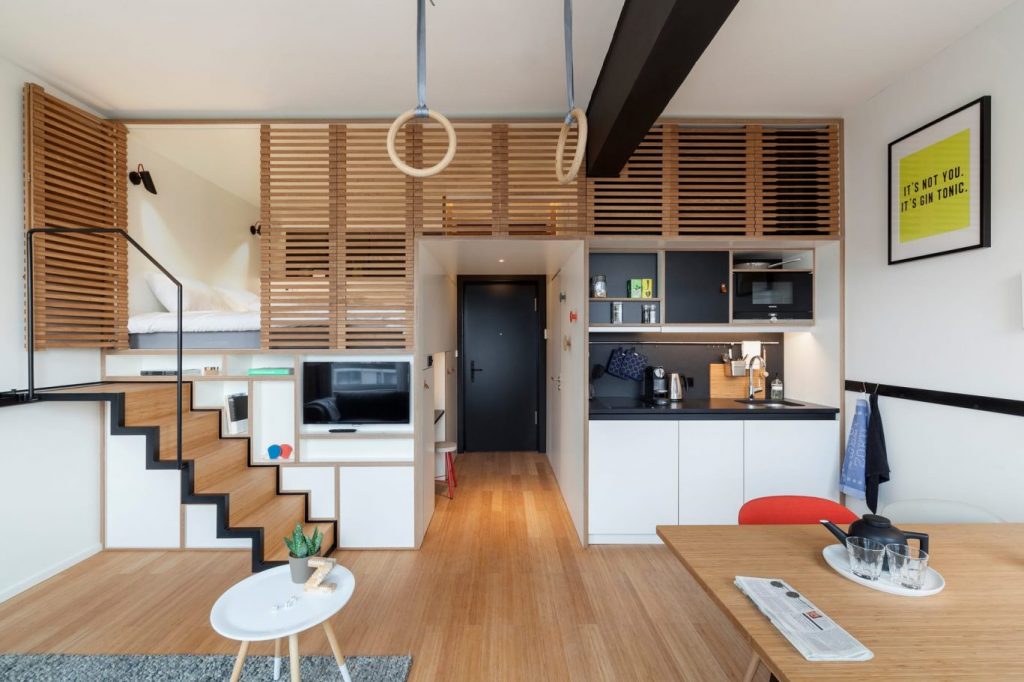
The term extended stay booking plans refers to the structured strategies individuals and organizations employ to secure residency for periods ranging from 30 days to over a year. A common misunderstanding in this space is the belief that such plans are merely an extension of short-term hotel reservation methods. In reality, a robust booking plan is a comprehensive logistical document that accounts for legal tenure, utility management, infrastructure reliability, and exit-strategy flexibility. The risks of oversimplifying these plans include exposure to local regulatory volatility, sudden lease terminations, and the “friction tax”—the hidden costs associated with managing a residence that lacks proper support systems.
True proficiency in this area requires shifting from a consumer-purchasing mindset to a project-management perspective. When developing these plans, one must prioritize the alignment of the property’s physical and legal infrastructure with the intended duration of the stay. For instance, attempting to force a short-term hospitality contract to function as a long-term residency often results in service failures, such as abrupt changes in property management or the loss of tenant protections. A sophisticated plan recognizes these risks early, integrating contingency measures that ensure stability regardless of the specific lodging category chosen.
Furthermore, the integration of professional requirements into the booking plan is frequently neglected. Factors such as dedicated bandwidth, ergonomic requirements, and proximity to specialized transport networks should be evaluated against the “plan” rather than as an afterthought. By treating the accommodation search as a core component of a professional project, one effectively mitigates the volatility inherent in temporary living, transforming what is often a chaotic relocation process into a predictable, manageable logistical workflow.
The Systemic Evolution of Residential Flexibility
Historically, the residential market was strictly defined by 12-month lease cycles. Temporary housing was restricted to traditional hotels, which lacked the residential utility necessary for long-term comfort. The recent rise of the “prosumer” economy has bridged this gap, introducing a middle tier of serviced apartments, coliving spaces, and managed mid-term rentals. This shift was driven by institutional investors seeking to capitalize on the increasing fluidity of the global workforce.
This systemic evolution has changed the nature of the “tenant.” Today’s occupant is more of a service consumer than a traditional renter, leading to a market that prioritizes flexibility but demands higher premiums for that privilege. The challenge for the modern occupant is to identify which parts of this market are truly institutionalized and which remain unregulated, high-risk environments. This distinction is critical when drafting one’s own housing strategy, as it informs the level of due diligence required before committing to any extended stay booking plans.
Conceptual Frameworks for Housing Decision-Making
1. The Friction-Cost Matrix
This model separates direct financial costs (rent, utilities) from friction costs (time spent on maintenance, administrative burdens, connectivity troubleshooting). High-friction plans are often cheaper in base rent but exponentially more expensive in cognitive and temporal load.
2. The Stability-Flexibility Frontier
Every booking decision lies on a continuum. At one end, standard leases provide maximum stability but zero flexibility. At the other, daily hotel stays provide maximum flexibility but zero stability. An effective strategy identifies the “optimum point”—the duration where flexibility is no longer worth the added premium.
3. The Capability-Infrastructure Hierarchy
Define your living space as a piece of infrastructure. If your professional output relies on specific uptime or environment metrics, your booking must be constrained by that requirement. Do not sacrifice technical capability for aesthetic or cost-saving variables.
Taxonomy of Temporary Lodging Categories
| Category | Typical Tenure | Primary Utility | Legal Structure |
| Corporate Housing | 30–180 days | High (Turn-key) | Service Agreement |
| Mid-term Rentals | 90–365 days | Moderate | Residential Lease |
| Coliving Spaces | 30–180 days | Shared/Social | License to Occupy |
| Extended Hotels | 7–60 days | Reliability | Hospitality License |
| Private Sublets | 30–180 days | Cost Efficiency | Personal Agreement |
When developing extended stay booking plans, the choice of category should be dictated by the tenure length and the criticality of the infrastructure. For durations exceeding six months, transitioning into a formal residential lease is usually the superior option from both a legal and cost-stability perspective.
Real-World Decision Scenarios
Scenario A: High-Intensity Professional Relocation
The occupant requires 99.9% network reliability and a quiet environment. The decision logic must prioritize corporate-managed units with enterprise-grade connectivity, regardless of the higher base price. Failure to do so leads to productivity losses that far exceed the rent difference.
Scenario B: The Exploratory Nomad
The occupant is testing a new city for a potential long-term move. The booking plan should feature a “test-and-pivot” approach: a 30-day hotel stay followed by a 60-day mid-term rental once the desired neighborhood is verified.
Scenario C: The Family in Transition
Space and utility (laundry, kitchen) are non-negotiable. The strategy focuses on established residential buildings that offer the amenities of a home within a temporary contract framework, avoiding the “hospitality-only” options that feel claustrophobic over time.
Planning, Cost, and Resource Dynamics
The total cost of an extended stay is frequently miscalculated. When budgeting, apply a multiplier to the base rent to account for the indirect costs of temporary living, such as the premium paid for furnished units and the lack of economies of scale in short-term purchasing.
| Cost Variable | Low-Impact (30 days) | High-Impact (180+ days) |
| Rent | 100% | 85-90% (negotiated) |
| Utilities/Service | Inclusive | Variable/Metered |
| Setup/Disruption | High | Low |
| Risk-Adjustment | 15% | 5% |
Risk Landscape and Failure Modes
Taxonomizing risk is essential for resilience. Operational risk includes utility outages, maintenance delays, and management changes. Regulatory risk covers potential zoning shifts or illegal subletting situations that can force an immediate move. Finally, interpersonal risk is prevalent in coliving or sublet environments, where roommate conflicts can effectively dissolve one’s housing stability. All robust extended stay booking plans should include an “emergency exit” clause that allows for early termination if core requirements are no longer met.
Governance, Maintenance, and Long-Term Adaptation
Treat your residence as a project. Implement a 30-day governance cycle:
-
Review: Does the property still meet original performance criteria?
-
Audit: Are there pending maintenance issues that need escalation?
-
Adjust: If the living situation is failing, is it time to initiate the exit strategy?
By maintaining this cycle, you prevent minor issues from compounding into systemic failures that compromise your professional or personal objectives.
Measurement, Tracking, and Evaluation
Track your housing strategy effectiveness through both qualitative and quantitative data.
-
Leading Indicators: Time spent troubleshooting housing logistics; responsiveness of property management.
-
Lagging Indicators: Total effective daily cost; hours of productive work lost to housing friction.
-
Documentation: Maintain a simple digital ledger tracking rent, service fees, and “friction hours.” These records become invaluable for tax reporting, corporate expense justification, and future housing negotiations.
Common Misconceptions and Strategic Corrections
-
Myth: “All platforms are the same.” Correction: Different platforms attract different inventory tiers. Institutional, high-reliability properties are often listed on specific corporate-focused portals, not mass-market travel sites.
-
Myth: “Booking in advance is always cheaper.” Correction: In the mid-term market, last-minute inventory can often be negotiated at significant discounts if you demonstrate low-friction candidacy.
-
Myth: “Everything is included.” Correction: Read the fine print on “service fees.” These are often just profit margins and do not necessarily correspond to a higher level of actual service.
Final Synthesis
Successfully managing temporary residency is an exercise in resource allocation, risk mitigation, and systemic planning. The goal is to create a living arrangement that functions as an extension of one’s professional infrastructure rather than a distraction from it. By rigorously evaluating lodging options, quantifying true costs, and implementing a governance cycle for one’s stay, the modern resident achieves a level of stability that makes the transient nature of the global workforce an asset rather than a liability. The strength of your housing strategy is determined by the clarity of your planning and the resilience of your contingency models.